We could all learn something from Roly Walker.
A lesson in Conviction over Caution.
I’m Chris. I work in UK defence technology and I have opinions. Some of them will age badly.
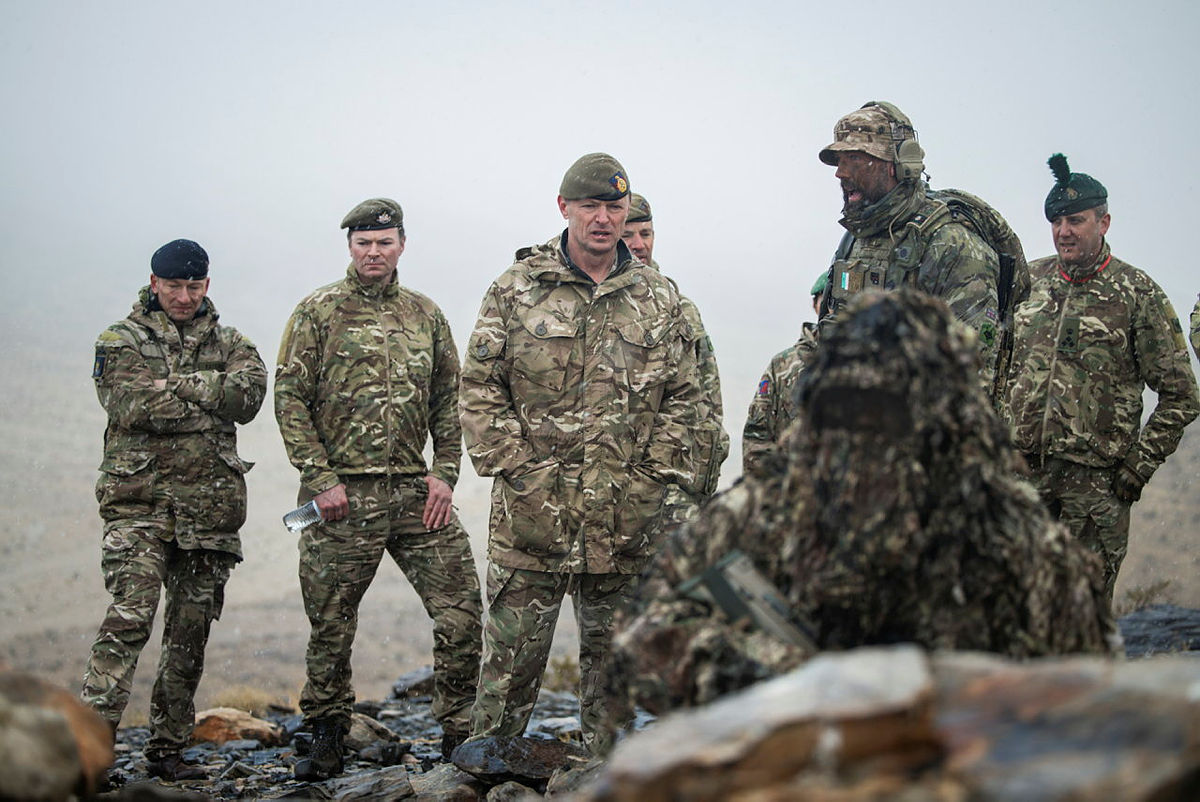
So what’s this got to do with General Sir Roly Walker KCB DSO, Chief of the General Staff? Let’s imagine for a moment you’re him. You are the boss of the army. 74 thousand military and another 10,000 non-military personnel look to you for leadership. There are a lot of clever people amongst them — and yet, they’re doing the wrong thing. Iterative improvements, fringe projects — whilst you’re looking at an increasing Russian threat, decreasing global stability and a nation that still hopes to cling to its place in the world.
He must receive an enormous number of sales pitches and good ideas every year. I get a lot, and I’m not even in the same league. It must be hard to keep your head straight on what to do next amongst all the competing latest and greatest ideas.
With the major army tech programme Morpheus in tatters, having failed to replace the Bowman system, £3.2bn spent, the experienced defence tech players looking at the wreckage and scratching their heads, General Sir Roly Walker says: I’d like a recce strike complex please. I’d like to double lethality, yesterday would be nice, and here’s your budget — it wasn’t £3.2bn. By the way, I think these suppliers that you’ve never heard of could be useful — no, they don’t have an established foothold in UK defence. If you could field it in Estonia next year, that’d be nice. Oh, and let’s do most of the procurement ourselves.
They must have thought he was nuts. That seems like a lot of risk and a massive goal — oh, and let’s not forget that recce strike complex is a Soviet term originally. Interesting choice for our times. And yet, a year later, with a lot of critical thinking and less money than you’d expect, Project ASGARD was here. Better comms, loitering munitions, more bandwidth, faster kill chains.
All of this because he made a clear decision and owned it — well defined scope, an excellent team led by Stefan Crossfield and Rich Byfield. In a system that favours caution and consensus, General Sir Roly Walker instead went with conviction — we can do this, we must do this — and showed what can be done.
I know personally how hard it is to tell intelligent, committed people within my area that they’ve gone astray, and to lead them back to doing the right thing, and keep them there. My team is closer to 84 than 84 thousand.
The uncomfortable part is that this success is the exception, not the norm. Battlefield comms still have equipment and practices rooted in Bowman, and even the Clansman system that preceded it.
Who’s going to take a stand on “fitted for, but not with” actually meaning “will not have it when we need it most”?
Who’s going to take a stand on “it’s hard to deliver digital solutions in forward environments, so let’s focus elsewhere”?
Who’s going to take a stand on tranche purchasing, where you don’t actually get the capability that was in the sales brochure — for decades?
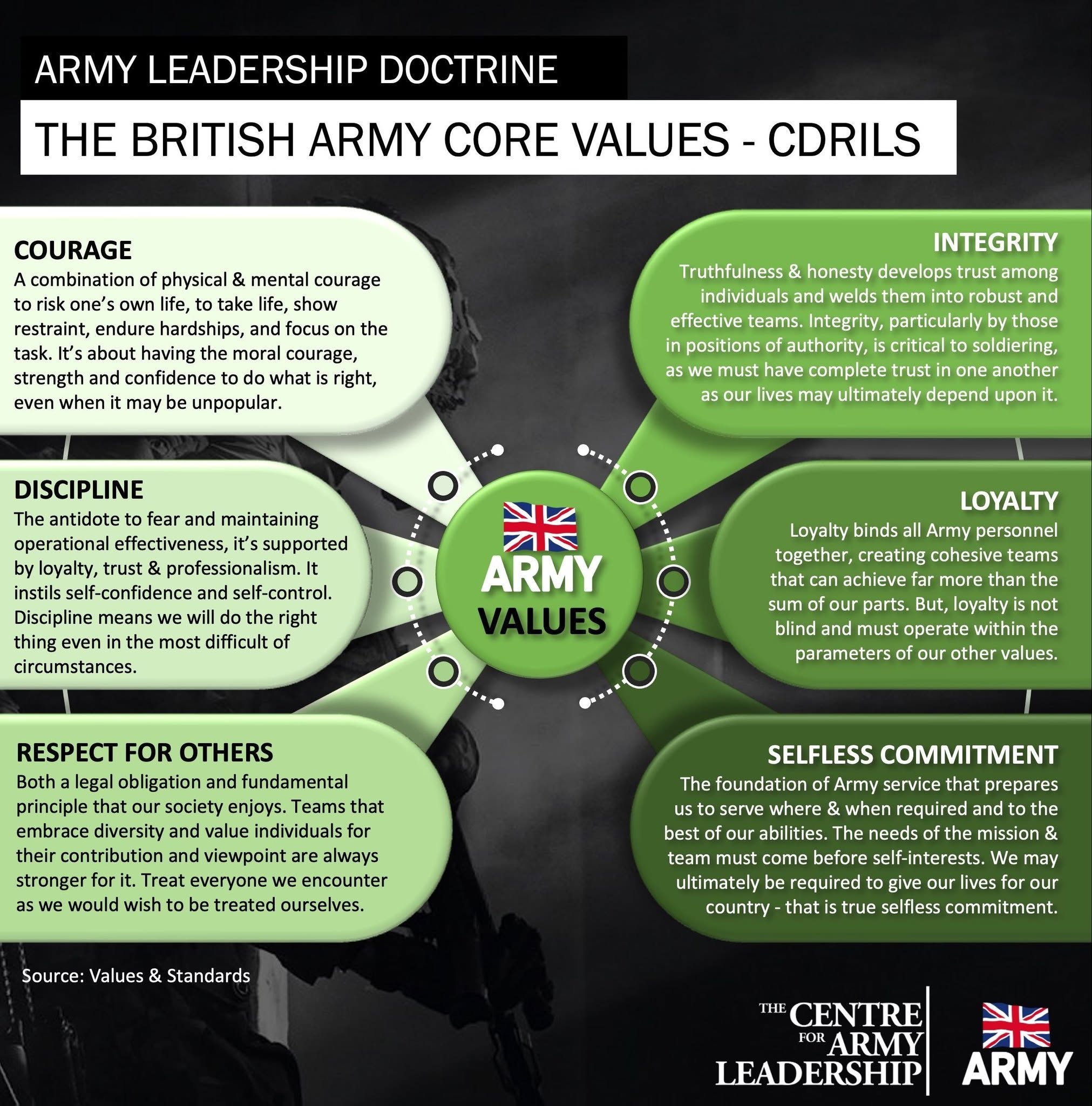
Defence needs a lot more Courage.
For me, it starts here. I’ll be putting my opinions out there and hopefully starting some good conversations. If this has your interest, next up is what AI command and control actually looks like when someone builds it.
Kudos to General Sir Roly Walker KCB DSO for setting an example — and for showing what the C in CDRILS means.